Free Blackjack in New Zealand: Rules and Practice
 Available in US
Compare browser and live-table formats, practise common decisions, and check rules before using free or no-download games.
Table of Contents
- The Blackjack Basics That Make Free Play Useful
- Playing Blackjack Online: Software or a Live Table?
- What a Free Blackjack Bet Can—and Cannot—Tell You
- Free Blackjack for Fun, Including Multiplayer Play
- Free Blackjack Online in New Zealand in 2026
- No-Download Blackjack: What Runs in Your Browser
- Use a Free Blackjack Simulator to Learn the Decisions
- Free Blackjack Without a Deposit: Check the Table Rules
- Practise Blackjack Strategy Without Treating It as a Guarantee
- Free Blackjack at School or Work: Be Careful With Unblocked Sites
The Blackjack Basics That Make Free Play Useful
Blackjack is a contest between you and the dealer, not a competition to collect as many cards as possible. Your aim is to finish with a hand closer to 21 than the dealer’s, without going over 21 yourself. If your total exceeds 21, the hand is over for you, even if the dealer later goes over as well. If you stay at or below 21, the result depends on how your hand compares with the dealer’s.
That simple goal explains why a good decision is not always to take another card. A hand can be strong enough to keep, or it can be at risk of going over if you draw. Your choice depends on the cards you have and, in games that show it, the dealer’s visible card. The point is to make a decision for the hand in front of you rather than to chase a particular total regardless of what is happening.
The main actions are hit, stand, double down, split and, where offered, surrender. They do different things, so it helps to understand the choice before you select it. In free casino blackjack games, the buttons may appear straightforward, but knowing what each one changes makes the play more meaningful than simply clicking through the hand.
What each decision does
Hit means asking for another card. You might choose it when you want to improve a low total, but every additional card also creates another chance of going over 21. A hit does not promise that the hand will become stronger; it is a choice to accept that risk in pursuit of a better total.
Stand means keeping the hand as it is and taking no more cards. You might stand when you judge that another card could make the hand worse, or when you are content to let the dealer’s hand determine the result. Standing is an active decision, not a way to leave the game unfinished: you are committing to the total you already have.
Double down is a more committed move. Under the table’s rules, you increase your stake and receive a limited further chance to improve the hand before play continues. Because it changes what you have at risk, it is not simply another kind of hit. Read the table’s description so you know what the option permits before using it.
Split may be available when your starting hand contains a matching pair. It separates the cards into two hands, which are then played individually under the table’s rules. Splitting creates a different decision for each hand; it does not mean that either one is automatically favourable. Check how the game handles the new hands and what actions are available after the split.
Surrender is offered only at some tables. It lets you give up the hand under the conditions set by that game, rather than continuing to play it. Since availability and details can differ, look at the rules before relying on this option. If the button is not offered, you cannot assume the game allows surrender.
Why the dealer matters
You are trying to beat the dealer’s final hand, so your total is only part of the picture. A hand that feels substantial can still lose if the dealer finishes closer to 21 without going over. A smaller total can win if the dealer goes over, while matching totals may be treated according to the game’s rules. Do not judge a hand only by whether it looks close to 21; consider that the dealer still has to complete a hand too.
This is also why a free blackjack card game can be useful as a place to learn the sequence of decisions. You can follow how a hand develops, notice when you are choosing between another card and standing, and see how splitting or doubling down changes the play. The value is in understanding the choices and their consequences, not in treating a previous result as a promise about the next hand.
- Build a hand that can beat the dealer
- Avoid exceeding 21
- Choose deliberately between actions
- Chase a particular total regardless of the situation
- Select options without knowing how they affect the hand
- Treat a previous result as a promise about the next hand
When you sit down to a free blackjack game, take a moment to identify the available actions and any conditions attached to them. The same decision may not be offered in every game, and the table rules determine what you can do. If you are unsure what an option means, pause and open the rules rather than selecting it without knowing how it affects the hand.
Once the basic aim is clear, the game becomes easier to follow: build a hand that can beat the dealer, avoid exceeding 21, and choose deliberately between taking another card, holding, or using another permitted action. That foundation makes free blackjack easier to understand, whether you are watching a single hand or making the decisions yourself.
Playing Blackjack Online: Software or a Live Table?
Online blackjack can feel quite different depending on whether the cards are dealt by software or by a live dealer. An RNG game uses software shuffles and generally moves faster. A live table uses actual cards and brings a dealer into the experience, but the stream can delay what you see and the table may require higher bets. If you are choosing a free game, these differences affect more than appearance: they shape the pace, the way you follow the hand and how closely the experience resembles a casino table.

Software dealing: a quicker, more self-paced game
In an RNG game, software handles the shuffle and deal. The game can move from one hand to the next without waiting for a dealer to handle physical cards or for a live video feed to catch up. That quicker rhythm may suit you if you want to play several hands in a short session or prefer to make decisions without a stream in the background.
The interface presents the cards and the available choices on screen. You select an action, and the software advances the hand. The exact layout and pace depend on the game, but the central difference is that there is no live dealer handling cards in front of a camera. This is still blackjack, not a recording of a physical table: the shuffle and deal are produced by the game software.
Free play, where a game offers it, can make this format easy to try without placing a real-money bet. Treat it as a way to see how the online interface feels, rather than as proof that every game works the same way. A fast software game and a live table can present blackjack differently, and a free mode may not reproduce every condition of a real-money table. Check the game’s own information before assuming that a particular feature is available in both modes.
The speed can also make a session feel more absorbing. Hands arrive quickly, and it may be easy to continue without noticing how much time has passed. If you move from free play to real-money play, pause and decide what you can afford to spend before starting. Set a budget and do not chase losses. A quicker format does not make the outcome more predictable.
Attention Set a budget and do not chase losses, as a quicker software format does not make the outcome more predictable.
Live dealing: cards on camera
A live-dealer game uses actual cards, with the action shown through a stream. You see a dealer handle the cards rather than relying entirely on a software display. For some players, that visual connection makes the game feel closer to sitting at a casino table, even though they are watching remotely and making choices through an online interface.
The stream introduces a different rhythm. There can be a delay between the dealer’s action and what appears on your screen, so a live hand may progress more slowly than an RNG hand. That pause is part of the format, not necessarily a sign that the game has stopped. Connection quality and the way a particular game is presented can affect how smooth the viewing feels, so it is sensible to try the free option if one is available before deciding whether the pace suits you.
Live tables may also require higher bets than software games. That matters if you are comparing a free version with a table where real money is involved: the live experience may not be available on the same terms. Do not assume that a free table tells you what the real-money entry conditions will be. Review the table information before committing funds, including any stated terms that apply.
Which format fits your purpose?
Choose software dealing if you value a brisk pace and a direct on-screen interface. Choose a live dealer if seeing physical cards and a dealer matters more to you, and you are comfortable with a stream that can add waiting time. Neither format changes the basic idea of blackjack, but the online experience can feel substantially different.
If you are only exploring free blackjack, compare the format rather than judging a game by its name alone. Look for whether the cards are generated by software or dealt by a person on camera, whether the game lets you play without a real-money stake, and whether the pace feels manageable. A free option can help you understand the presentation, but it should not be treated as a promise that a real-money version will have identical access or conditions.
For a two-player setting, check what the game means by multiplayer. Some online formats may place people at a shared table, while blackjack itself remains a contest against the dealer; another player’s presence does not turn it into a head-to-head card game. The specific setup depends on the game, so read its description rather than relying on the label.
Free blackjack online can be a low-pressure way to see whether software dealing or a live stream suits you. Keep the distinction clear if you later consider wagering: software games move faster, live games use real cards and may involve delays or higher bets. Those practical differences are more useful to weigh than the impression that one format must be better for everyone.
What a Free Blackjack Bet Can—and Cannot—Tell You
A free blackjack bet can mean different things. You may be looking at a no-cost game where chips are for play only, or a promotional bet offered under stated conditions. Neither phrase, by itself, tells you what a winning hand is worth in cash. Check what the offer actually provides before treating its displayed balance or payout as money you can withdraw.
Check what a free bet offer actually provides before treating its displayed balance or payout as money you can withdraw.
The payout for a natural blackjack is one detail worth checking. A specialist review describes a natural as paying 3:2 at some tables and notes that others pay 6:5. Those ratios are not interchangeable: for the same qualifying stake, 3:2 returns more for a natural than 6:5. The figures describe the payout, not the chance of being dealt a natural or the likelihood of ending a session ahead.
That distinction matters when a free-play game displays a win. A simulated balance can show how a table applies its payout rule, but it does not establish the cash value of a promotional offer. If the game uses play-only credits, a payout may simply change the balance inside the game. If an offer uses a free bet, its own terms determine whether winnings are credited, whether the original stake is returned, and what restrictions apply. Do not assume one format works like the other.
A headline promising an exclusive free bet is not enough to judge its value. Read the conditions attached to the offer and look for the eligible game, the qualifying hand, and how the payout is calculated. A displayed 3:2 or 6:5 rule answers only the payout question for a natural under that table’s rules; it does not explain every condition attached to a bonus or promotional credit. If the terms are unclear, avoid assigning a cash value to the offer.
The same caution applies when a game shows an RTP figure. That label is not a promise about a particular hand or session, and it cannot tell you what a one-off free bet will return. A payout ratio for a natural and an RTP figure describe different things: one concerns the return for a qualifying hand, while the other refers to a game-level measure. Neither removes the uncertainty of individual results.
Before you play, identify whether the bet is simply a practice stake or an offer with conditions. Then check the natural-blackjack payout shown in the table rules and confirm that it applies to the game you have opened. A free bet can help you see how a stated payout is applied, but it cannot turn that payout into a guaranteed win or prove that an offer has cash value.
Free Blackjack for Fun, Including Multiplayer Play
A free blackjack table can make a quiet game feel more social, especially when other people are playing at the same table. The shared setting may give you company and a reason to stay engaged, without turning the game into a contest between players. Blackjack is still played against the dealer: each player is trying to finish closer to 21 without going over. Other people’s hands do not change that central aim.
That distinction matters in multiplayer play. You may see several seats occupied, but the other players are not your opponents in the hand. They make their own decisions, while the dealer’s hand is the one each player faces. A table can therefore feel communal without requiring you to coordinate with anyone or measure your result against another player’s. If you prefer a quieter experience, a solo table may suit you better; if you enjoy seeing a shared table in action, a multiplayer version may feel more companionable.
Best if you prefer a quieter experience without other players present.
Best if you enjoy a communal setting and seeing a shared table in action.
Free play is also a way to keep the emphasis on entertainment rather than on the value of a wager. You can treat a session as a casual diversion and stop when you have had enough, rather than feeling that every hand needs to justify a financial decision. That does not mean every free table has the same atmosphere or features. Some may present a plain, solitary game, while others may show several players at once. Check what the particular game actually offers instead of assuming that “multiplayer” means live conversation or interaction.
A shared table can create a rhythm: you watch the dealer, notice how other seats are progressing, and wait while the table moves through a hand. For some people, that makes free blackjack more enjoyable than playing alone. For others, the pauses and activity around the table can be distracting. The useful question is not whether multiplayer is better, but whether the social setting makes the game more pleasant for you.
Keep the boundary between free entertainment and real-money gambling clear. A free session does not establish that a paid table will feel the same, and it is not evidence that you can expect a particular result. If you later consider playing for money, pause and read the table and promotion terms first. Blackjack may count differently toward wagering requirements, and maximum-bet rules can apply while you are meeting them. Set a budget before gambling and do not chase losses; those safeguards matter even if an earlier session was only for fun.
You can also choose not to move from a free game to a paid one. There is no need to treat free play as a preview that must lead somewhere. If the social element is what you enjoy, look for a game whose format suits that preference and use it as entertainment on its own terms. If a table’s presentation or conditions are unclear, choose another activity rather than letting uncertainty push you into a decision.
Free Blackjack Online in New Zealand in 2026
If you’re looking for free blackjack in New Zealand in 2026, use this list as a starting point for checking which options suit you. Review each operator’s available game information before deciding where to play.
License: Malta Gaming Authority, licence no. MGA/B2C/370/2017 Play Grand is listed with a Malta Gaming Authority licence, number MGA/B2C/370/2017. You can use that licence detail as a point of reference when assessing the operator.
Payout speed: 1-3 business days Lamabet lists a payout speed of 1–3 business days. You can consider that information when reviewing the operator.
License: Tobique Gaming Commission, licence no. 0000064 Neospin is listed with a Tobique Gaming Commission licence, number 0000064. You can use the licence detail as a point of reference when assessing the operator.
License: Tobique Gaming Commission, licence no. 0000002 Ricky Casino is listed with a Tobique Gaming Commission licence, number 0000002. You can use the licence detail as a point of reference when assessing the operator.
License: 07017519840 · Payout speed: 1-3 business days Zotabet has the identifier 07017519840 listed, along with a payout speed of 1–3 business days. The available details do not specify what authority the identifier relates to.
Payout speed: 1-3 business days Wintino lists a payout speed of 1–3 business days. You can consider that information when reviewing the operator.
License: Curaçao Gaming Authority, licence no. OGL/2024/165/0185 BitStarz is listed with a Curaçao Gaming Authority licence, number OGL/2024/165/0185. You can use the licence detail as a point of reference when assessing the operator.
License: Tobique Gaming Commission, licence no. 0000091 7Bit Casino is listed with a Tobique Gaming Commission licence, number 0000091. You can use the licence detail as a point of reference when assessing the operator.
License: Malta Gaming Authority, licence no. MGA/B2C/394/2017 N1 Casino is listed with a Malta Gaming Authority licence, number MGA/B2C/394/2017. You can use the licence detail as a point of reference when assessing the operator.
Finding a free blackjack game online does not, by itself, tell you whether the operator is licensed in New Zealand. In 2026, the country is moving from a system with no domestic online-casino licensing to its first local licensing regime. That transition matters even if you intend to play without staking money: the site’s location, regulatory status and terms are separate questions from whether a game has a free mode.
The Gambling Act 2003 did not permit online casinos to be based in New Zealand. Before the new law, overseas online casino services were not licensed or supervised by a New Zealand regulator, and customers who wagered with an offshore website had no domestic government recourse. The Online Casino Gambling Act 2026 establishes the country’s first domestic licensing framework for online casino gaming. It came into force on 1 May 2026, but the full licensed regime is not expected to be operational until 2027.
Regulatory Status
Providers that have not applied for a licence must stop operating in New Zealand by 1 December 2026.
What the transition means
The Act provides a transitional period from 1 May to 1 December 2026. During that window, only online casinos that were already serving people in New Zealand before 1 May may continue operating under the transitional provisions. This does not mean every site offering blackjack is authorised under the new system. Providers that have not applied for a licence must stop operating in New Zealand by 1 December. If an application is declined, the provider must leave the market and cease its online casino operations here.
The distinction is useful when you come across free casino blackjack on a site that also offers wagering. A no-cost game is not proof of a New Zealand licence, nor does it show that the operator has entered the licensing process. Check the operator’s own information and the status of the regime rather than treating a free-play option as a regulatory safeguard. During the transition, licensed operators are prohibited from advertising to people in New Zealand; advertising rules are expected to be tight once licensing is in place, and sponsorships are prohibited.
Who oversees the framework
The Department of Internal Affairs is New Zealand’s primary gambling regulator and oversees the online casino licensing framework. The Gambling Commission handles licensing decisions: it hears and determines casino licence applications, issues licences and approves changes to licence conditions. These are distinct responsibilities, so a reference to the Department alone does not mean it is the body that decides each application.
Licensed operators must use stricter age and identity verification systems. That is relevant even when you first visit a site for a free game, because an operator’s access requirements may apply before play or before account functions are available. Read the site’s terms carefully, and do not assume that a free blackjack online mode is independent of the wider service.
The transition also makes timing important. In 2026, the framework is being established rather than operating as a fully settled licensing system. A free game can let you view a site’s blackjack offering, but it cannot establish that the site is licensed, that a licence application will succeed, or that the operator will remain available in New Zealand. Use the regulator’s published information to understand the framework, and assess the operator separately.
No-Download Blackjack: What Runs in Your Browser
A no-download blackjack game opens in a web browser rather than requiring you to install a separate application. That can be useful if you want to try a game without adding software to your device or taking up storage. Some browser games may also let you begin without registering, but access requirements differ: a game that needs no download may still ask you to create an account.
Browser-based play is not the same as downloadable freeware. Freeware is software you download and run on your device; a browser game is accessed through a webpage. Both can offer free play, but they involve different steps and may have different features. Check what a particular game requires before you start, especially if you do not want to share personal details or install anything.
Difference between browser games and freeware
Freeware is software you download and run on your device, whereas a browser game is accessed directly through a webpage.
Many online blackjack games use a random number generator, or RNG. The shuffle is handled by software, and the pace can be faster than at a live-dealer table because there is no streamed dealing sequence to wait for. That description applies to RNG games, not automatically to every game that happens to open in a browser. A browser can host different formats, so look for a clear description of how the game works.
A quick way to assess a no-download option is to notice what happens before play begins. Does it open directly in the page, or does it prompt you to download an app? Is registration required? Are the game rules available before you play? Those details help you distinguish a genuinely browser-based experience from a download presented as a shortcut.
“No download required” also says nothing by itself about the quality or terms of a game. It does not establish that every feature will work on your device, or that the game will remain available without an account. If a page asks for an installation, pause and check what file it is and who provides it rather than assuming it is necessary for blackjack.
For a simple trial, choose a browser game whose format and access requirements are stated plainly. If you prefer not to install software or register, leave when the page makes either step a condition of continuing. A free game should not require you to ignore your own privacy or device preferences just to reach the table.
Use a Free Blackjack Simulator to Learn the Decisions
A free blackjack simulator can give you room to practise choosing an action without putting money at stake. Treat each hand as a decision to work through, rather than clicking quickly to see what happens. The useful part is noticing what information you considered, what you chose, and whether you can explain that choice afterwards.
During a hand, the available actions include hitting, standing, doubling down, and splitting. A simulator lets you become familiar with selecting these options and seeing how a hand continues after each one. That practice can make the controls feel less unfamiliar, but it does not make every decision automatically correct or predict how a later hand will turn out.
To make free blackjack play more purposeful, pause before choosing. Look at your hand and the dealer’s visible card, then decide which action you want to take. If the game provides an explanation of its outcome, read it; if it does not, make a brief note of your reasoning. The aim is to build a habit of making a considered choice, not to collect wins in a session where no money is involved.
Pay particular attention to actions you tend to overlook. You might find that you default to hitting or standing even when doubling down or splitting is available. A simulator can help you recognise those options in the interface. When you are unsure what an action does in that specific game, check its rules before relying on your understanding; the controls and conditions are not something to guess at.
Purposeful Practice
Look at your hand and the dealer’s visible card.
Decide which action you want to take and state your intended move before clicking.
Review the outcome without treating it as proof that the move was right or wrong.
A simple practice routine can keep the exercise focused. Work through a hand at a time, state your intended move before clicking, and review the result without treating it as proof that the move was right or wrong. One outcome cannot establish whether a decision is sound. What matters is becoming more deliberate and understanding which choices the game allows.
Free blackjack simulation is most useful as a low-pressure way to learn the decision process. It can help you practise responding to the choices presented at the table, but it cannot promise better results when you play for money. If you move from a simulator to a real-money game, take time to check the table rules and set a budget you can afford to lose; do not chase losses.
Free Blackjack Without a Deposit: Check the Table Rules
A free blackjack game can let you play without putting money into a balance, but “free” does not tell you what rules the table uses. If you are comparing no-deposit options, check the table information before starting rather than assuming that the same name means the same game.
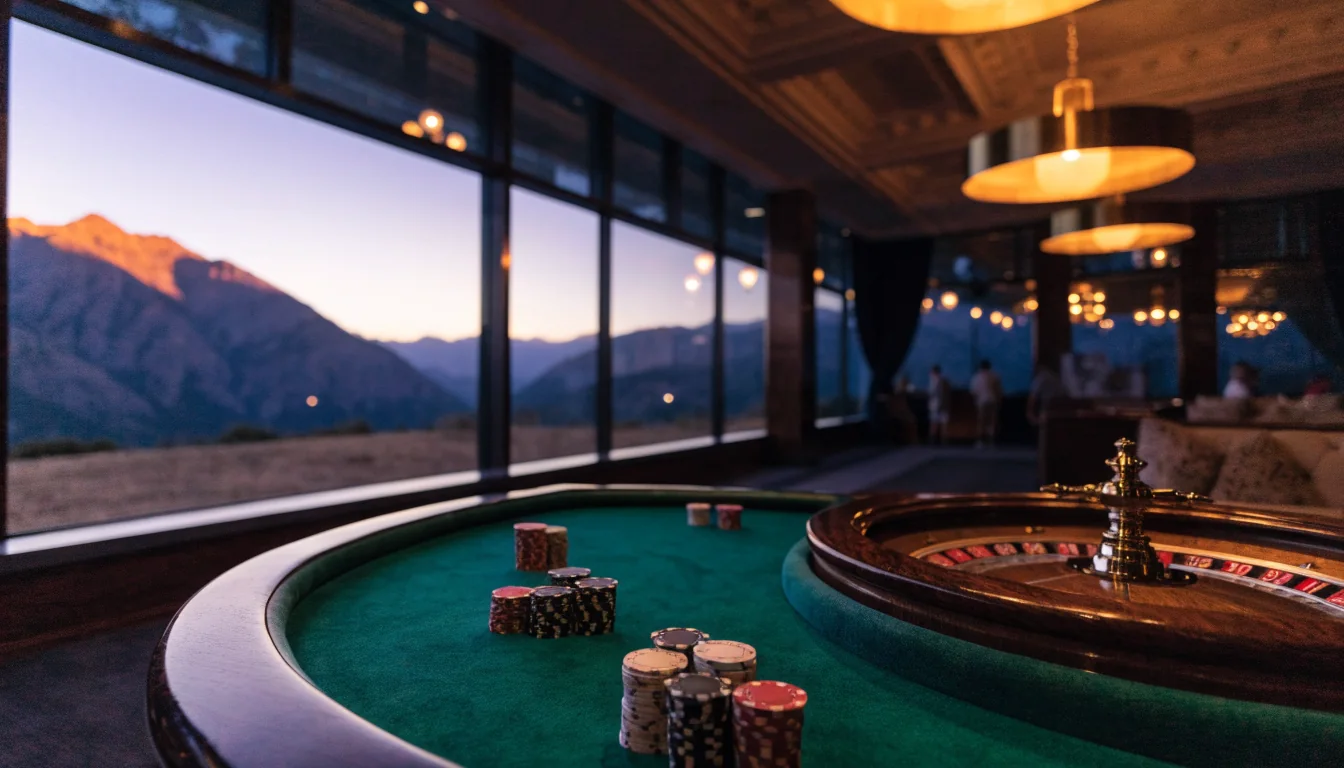
A specialist review notes that blackjack rules can differ from one game to another. The number of decks may change, as may the dealer’s action on soft 17: a hand containing an ace counted as 11. Check whether the dealer hits or stands in that situation. The surrender option can also vary, so confirm whether it is available and when it may be used.
Payouts deserve the same attention. A natural blackjack may receive a different payout at different tables, so read the displayed rules instead of treating a free game as representative of every blackjack table. These details matter if you later move from a free version to a real-money game: practice does not make the rules interchangeable.
Also look beyond the word “free” if an offer is attached. Read its terms and any bonus conditions before wagering real money. Blackjack may contribute differently to wagering requirements, and maximum bet rules may apply while those requirements are active. A no-deposit offer can still have conditions; it does not, by itself, establish that you can withdraw money or that the play has cash value.
For a browser-based game, the same rule check applies. No download does not mean no table rules, and a simple interface may not show every condition until you open its information panel. Find the rules before you begin, especially if you are using the game to understand how a particular table works.
A practical check is to confirm the deck count, soft-17 rule, surrender availability and payout terms on the specific table. If those details are not visible, do not assume them. Choose a game whose rules you can inspect, and keep any free play separate from expectations about real-money results.
Table Rules Check
- Confirm the deck count
- Check the soft-17 rule
- Verify surrender availability
- Confirm payout terms
Practise Blackjack Strategy Without Treating It as a Guarantee
Free play can give you room to think through decisions without putting money at risk. You might keep a strategy card beside you and compare its guidance with the choices available at the table. Treat it as a study aid, not a promise that following a chart will produce reliable winnings.
The rules matter. Blackjack variants can change how you should approach a hand and the house edge, so advice written for one version may not fit another. Before practising a strategy, check the table’s rules and make sure the guidance matches them. If you carry a habit from one game into another without checking, you may be practising the wrong decisions.
A practice session is most useful when you pause to consider why a choice is recommended, rather than clicking through hands quickly. You can review what the rules allow and notice where a different table rule would change your approach. Free blackjack practice money, where a game offers it, is not cash you can withdraw and does not show what you would earn in real play. A run of favourable results is not proof that a strategy works; a run of losses does not, by itself, prove that every decision was wrong.
Card counting is another subject that needs careful framing. Using mental calculation to count cards is not illegal under New Zealand law. That does not mean it is effective in every setting, or that it can guarantee an advantage. In particular, do not assume card counting will work in an online game that shuffles automatically.
If you move from practice to real-money play, set a budget beforehand and do not chase losses. Read the fine print and any bonus conditions before accepting an offer. Blackjack may contribute differently to wagering requirements, and maximum-bet rules can apply while you meet them. Free practice is best used to understand a strategy’s assumptions; it cannot remove the house edge or make future outcomes certain.
Free Blackjack at School or Work: Be Careful With Unblocked Sites
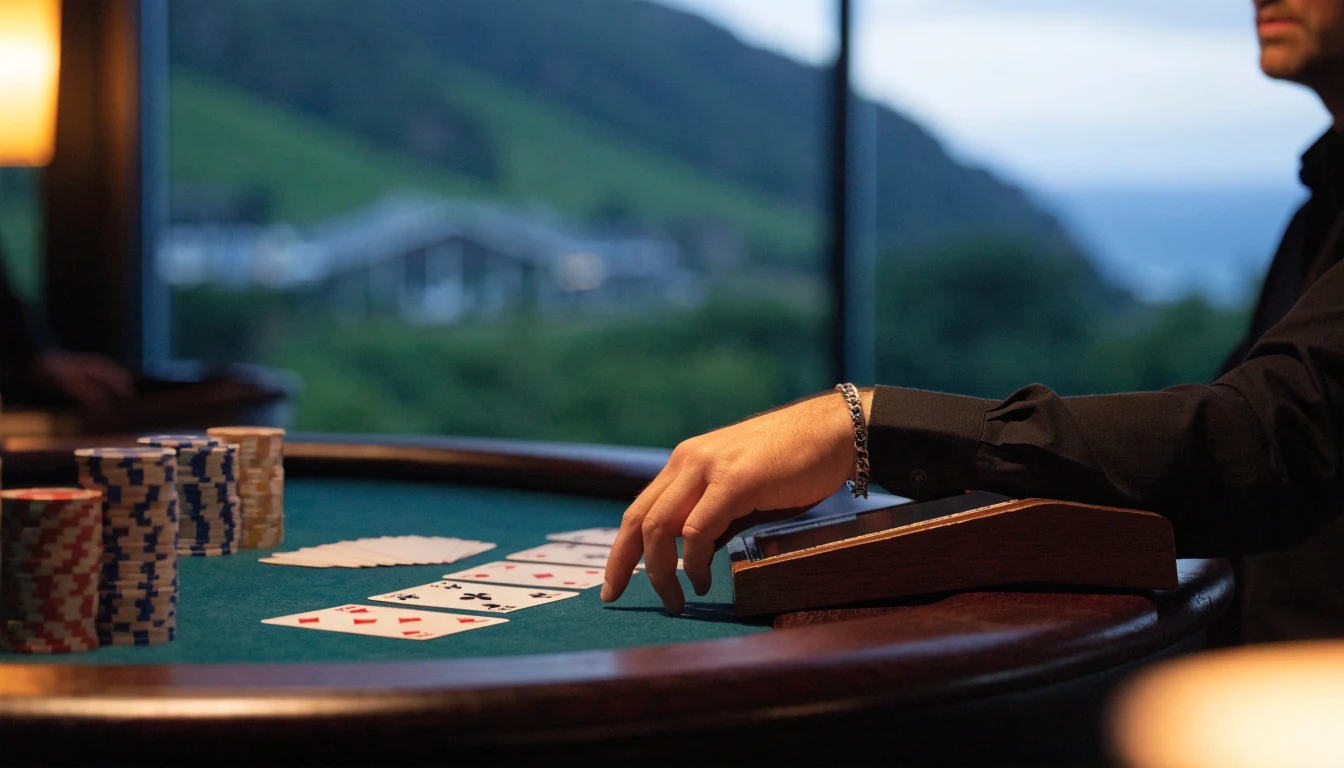
A free blackjack game can look like an easy diversion during a break, especially when a site describes it as unblocked. But a page being reachable does not mean it is appropriate to use on a school or work device. Network restrictions may reflect rules set by the institution or employer, and trying to get around them can create trouble unrelated to the game. Keep to the access rules for the device and network you are using.
If you do find a permitted game, use it to understand how the cards are valued rather than assuming the label tells you anything about the experience. Number cards count at the value printed on them. Face cards count as 10, while an ace can be worth 1 or 11. That flexible ace value is why the same hand can be described as soft: the ace can still count as 11 without taking the total over 21.
Take a moment to add the cards in your hand before making a decision. For instance, if an ace can count either way, consider both totals. If counting it as 11 would put the hand over 21, its value can instead be treated as 1. Understanding that adjustment makes the game easier to follow, even when you are only looking at a simple free-play screen.
Be cautious about pages that ask you to install unfamiliar files, provide personal details, or sign in with an account you use elsewhere. A game described as free or unblocked is not automatically safe or authorised for your setting. If access is restricted, do not treat a workaround as permission.
Free play can make the card values clearer, but it does not change the rules of your school or workplace. Choose a setting where you are allowed to play, and leave the game closed when the device or network is intended for another purpose.
Prepared by the Casino Insider NZ editorial staff.