
Roulette for Real Money in New Zealand: Rules & Odds
 Available in US
Wheel format, zero rules and even-money payouts shape the odds and inform decisions about real-money play.

Table of Contents
- How Roulette Rules Shape Real-Money Play
- New Zealand’s Online Casino Rules and the 2027 Transition
- Can Online Roulette Make You Money?
- A Safer Approach to Roulette Bankroll Decisions
- Free Roulette or Real-Money Play?
- What Even-Money Bets Actually Cover
- What Free Roulette Can—and Cannot—Tell You
- Check Age and Identity Requirements Before Using an App
- Can a Roulette Bet Double Your Money?
- What to Know Before You Risk Money on Roulette
How Roulette Rules Shape Real-Money Play
Roulette’s appearance is familiar across its main formats, but the wheel rules change the mathematical cost of a wager. Before you decide whether a table suits you, compare its pocket layout and stated house edge. Those details matter more than whether the game is presented online, in a live format or with a particular visual style: the rules determine the odds built into each spin.
European and French wheels
European Roulette has 37 numbered pockets, running from 0 to 36. The zero is part of the wheel, so a wager on a colour, number group or other outcome does not have an equal chance of winning and losing. That imbalance is reflected in the game’s house edge of 2.70%. The edge is the casino’s mathematical advantage under the rules; it is not a prediction of what will happen in a particular session.
French Roulette also uses a 37-pocket wheel numbered from 0 to 36 and has the same stated house edge as European Roulette before its special rules are taken into account. French tables may apply la partage or en prison to eligible even-money bets when the ball lands on zero. These rules soften the effect of zero for those wagers, lowering the house edge further. Their benefit applies under the table’s stated conditions, so you should check which rule is in force and which bets qualify rather than assume every wager receives the same treatment.
Choosing a roulette site for real-money play in New Zealand calls for checking the details that matter to you, including licensing and payout information where available. Use these concise profiles as a starting point for your own checks.
License: Malta Gaming Authority, licence no. MGA/B2C/370/2017 Play Grand lists a Malta Gaming Authority licence, number MGA/B2C/370/2017. You can use that detail as part of your checks before playing.
Payout speed: 1-3 business days Lamabet lists a payout speed of 1–3 business days. Check the applicable terms to understand how that timing relates to your withdrawal.
License: Tobique Gaming Commission, licence no. 0000064 Neospin lists a Tobique Gaming Commission licence, number 0000064. You can consider this licensing information when assessing the site.
License: Tobique Gaming Commission, licence no. 0000002 Ricky Casino lists a Tobique Gaming Commission licence, number 0000002. This gives you a specific licensing detail to verify as you evaluate the operator.
License: 07017519840 · Payout speed: 1-3 business days Zotabet lists the identifier 07017519840 and a payout speed of 1–3 business days. Check the operator’s terms for how its payout timing applies to you.
Payout speed: 1-3 business days Wintino lists a payout speed of 1–3 business days. Review the relevant terms to confirm the details for your withdrawal.
License: Curaçao Gaming Authority, licence no. OGL/2024/165/0185 BitStarz lists a Curaçao Gaming Authority licence, number OGL/2024/165/0185. You can use this information as one point in your own checks.
License: Tobique Gaming Commission, licence no. 0000091 7Bit Casino lists a Tobique Gaming Commission licence, number 0000091. This provides a licensing detail for you to consider when assessing the operator.
License: Malta Gaming Authority, licence no. MGA/B2C/394/2017 N1 Casino lists a Malta Gaming Authority licence, number MGA/B2C/394/2017. You can check this licence information as part of deciding whether the site suits you.
That difference is practical, not cosmetic. Two games can show the same wheel layout while treating a zero differently for certain bets. If you are comparing French and European Roulette, the label alone is not enough: look for the applicable zero rule in the table information. Where la partage or en prison applies, the advantage to the player is limited to the bets covered by that rule. It does not remove the house edge from the game as a whole or turn a wager into a sure result.
American Roulette
American Roulette has a higher stated house edge: 5.26%, compared with 2.70% for European and French Roulette before French special rules are applied. That makes the format a less favourable choice by the edge measure. A table may look much like another roulette table, but a different wheel format changes the underlying odds; the design and pace of the game do not reveal that difference as clearly as its rules do.
When selecting a real-money table, check the game name and the displayed rules before placing a stake. If the information identifies an American game, its stated edge is materially higher than the European figure. If it identifies French Roulette, check whether la partage or en prison is included and how the rule applies. If the wheel format or rule conditions are unclear, do not assume the more favourable rules are in effect.

What the edge tells you
The house edge is a comparison of the game’s built-in odds, not a measure of how much you will lose on a particular spin. Roulette outcomes vary, and a player can win in the short term on any of these formats. But a short run of results does not alter the wheel’s rules. The edge helps you compare games on their mathematical terms; it cannot tell you which number will come up next or guarantee a particular session outcome.
This is why searches for the best roulette to play for real money cannot be answered by a game’s presentation alone. A live dealer, an online interface or a familiar layout does not change the stated edge if the underlying rules are the same. The useful comparison is between the format, its pocket layout and the rules governing zero. For a player weighing European Roulette against American Roulette, the difference between their stated edges is clear. French rules can improve the position on eligible bets, but only when those rules are actually offered and apply to the wager you place.
If you choose to play European Roulette online for real money, confirm that the table is European rather than relying on its title or appearance. The same care applies when comparing live roulette with an automated game: the presentation may differ, but the wheel rules are what shape the mathematical terms. A game described as French should also state how its zero rules work. Clear rules let you compare the available formats without mistaking a visual feature or table label for a change in odds.
37 pockets (0-36) with a house edge of 2.70%.
37 pockets (0-36) with a 2.70% baseline edge, potentially lower via la partage or en prison.
Higher house edge of 5.26%, making it a less favourable choice by the edge measure.
For real-money play, the wheel format is one of the few details that can be compared directly before a spin. The European and French wheels share the same number of pockets and stated baseline edge, while the French rules can reduce the edge on eligible bets. American Roulette carries the higher stated edge. Knowing those differences gives you a sounder basis for choosing a table; it does not make roulette predictable or guarantee that you will come away ahead.
New Zealand’s Online Casino Rules and the 2027 Transition
Roulette is included in New Zealand’s new framework for online casino gambling because the Online Casino Gambling Act 2026 covers online table games. The law took effect on 1 May 2026, creating a domestic licensing system for online casino services. That change does not mean the entire system became operational on that date: the country is moving through a transition before the regulated market is fully established.

The Department of Internal Affairs (DIA) is New Zealand’s primary gambling regulator and oversees the online casino licensing framework. It manages the application process and assesses providers seeking permission to operate. The Gambling Commission has a separate decision-making role: it considers casino licence applications, issues online casino licences and approves changes to licence conditions. These responsibilities are related, but they are not interchangeable. The DIA oversees the process; the Commission makes licensing decisions.
The new regime allows a maximum of 15 online casino licences, with each licence applying to one brand. During the initial licensing process, a provider cannot receive more than three licences. An initial licence can run for up to three years, and a renewal may cover a further period of up to five years. These provisions set the structure for the market; they do not establish that any particular brand has been approved or is available for real-money roulette.

What the transition means in 2026
New Zealand did not previously have a domestic licensing system for online casino gambling. Under the Gambling Act 2003, online casinos could not be based in New Zealand. Before the 2026 law, offshore online casino services were not licensed or supervised by a New Zealand regulator, even though Kiwi punters were not breaking the law by using offshore sites. If a customer had a dispute with an offshore service, there was no domestic government route for resolving it.
The 2026 Act changes that position by establishing a local licensing framework. It also sets a transition period running from 1 May 2026 to 1 December 2026. Online casinos that were already serving people in New Zealand before the new law came into force may continue during that period, subject to the Act’s transitional provisions. This temporary permission is not the same as holding a licence under the new system.
The distinction matters if you are considering online roulette for real money in New Zealand in 2026. A site being accessible does not, by itself, show that it has a New Zealand licence. Nor does the existence of the new law mean that every offshore service has already completed the licensing process. The DIA is responsible for assessing applicants, while the Gambling Commission determines applications and issues licences. The transition gives the framework time to move from the earlier position to a licensed system.
Between 1 May 2026 and 1 December 2026, New Zealand is in a transition period where existing providers may continue to serve customers under transitional provisions, which is distinct from holding a new domestic licence.
The law also places a deadline on existing providers that want to continue beyond the transition: providers that have not applied for a licence must stop supplying online casino gambling in New Zealand by 1 December 2026. A provider whose application is declined must leave the market rather than continue operating there. These requirements apply to online casino services as a category, including roulette; they are not specific to one wheel format or type of wager.
When the regulated system is expected
The DIA expects the fully regulated online casino system to be operating during 2027. That is an expected timing, not a statement that every licensing decision will be complete on a particular date. The transition and application process therefore matter when reading claims about real-money online roulette: the framework is being introduced in stages, and the legal status of a service depends on the rules that apply to it and its position in that process.
The new arrangements also affect who can lawfully provide online casino gambling in New Zealand. The law provides for a limited number of licences and links permission to a particular brand. A provider cannot treat a licence for one brand as blanket approval for all of its brands. The initial cap on licences per provider further limits how many brands one provider may bring into the licensed system through that process.
For Kiwi punters, the practical point is to distinguish the legal framework from the availability of a game. Roulette may be offered online as a casino table game, but the fact that a game can be accessed does not establish the provider’s licensing position. Before the transition, offshore services were outside New Zealand supervision; the 2026 Act establishes a route to local licensing, with the DIA overseeing the framework and the Gambling Commission handling the formal licence decisions. The 2027 expectation reflects the time needed for that new system to become fully operational.
Can Online Roulette Make You Money?
You can leave an online roulette session with more money than you started with. A run of winning results can happen, and a bet that wins pays according to its odds. But a short-term win is not the same as earning income reliably. Roulette has a built-in house edge, which means the game’s probabilities favour the casino over repeated play.
For French and European Roulette, that edge is 2.70%. Both versions use a wheel with 37 numbered pockets, from 0 to 36. American Roulette has a higher house edge of 5.26%. The difference matters when considering repeated play: all else being equal, the higher edge gives the player a less favourable mathematical position.
The house edge is a long-run measure, not a prediction of what will happen in your next game. It does not mean every session will end in a loss, nor does it tell you when a win might occur. Results can vary, and a player may win in the short term. Over many wagers, however, the edge describes the direction in which the game is designed to favour the house.
Roulette is not a dependable way to earn income; its built-in house edge ensures that probabilities favour the casino over repeated play.
That makes roulette a poor basis for a plan to make regular money. A winning session cannot establish that the next one will also be profitable. Nor can a losing run make a future win more likely: each spin is a separate result, and previous outcomes do not change the wheel’s probabilities. Treating a temporary run as evidence of a dependable income source can lead to decisions based on hope rather than the game’s actual structure.
The phrase “easy way to make money” does not fit roulette. Its rules can be straightforward to learn, but simplicity does not remove the house edge or make outcomes predictable. Even when you understand the bets, you cannot turn the game into reliable earnings. The same distinction applies if you play roulette online: access to the game does not change the underlying odds.
A search for roulette with no deposit or free money can also blur two different ideas. A free-play option lets you try the game without staking your own money; it is not the same as receiving cash you can withdraw. Any claim that a free offer produces spendable money would depend on its terms, so do not assume that the wording alone means a cash reward is available.
If you decide to stake real money, view any win as an uncertain outcome, not proof that roulette can support you. The house edge remains present whether a session goes well or badly, and the higher edge on American Roulette makes its mathematical position less favourable than French or European Roulette. A sensible expectation is not that every session must lose, but that the game is not a dependable way to earn.
A Safer Approach to Roulette Bankroll Decisions
A roulette bankroll is money you can afford to lose, not a pot that the wheel is expected to grow. A run of wins can happen, but it does not make later results more predictable or turn a staking plan into a dependable route to a large payout. Treating a lucky spell as proof that you have found a reliable way to win big can lead you to stake more than you intended.
The house edge matters when you decide how much risk to take. European and French roulette use a wheel with pockets numbered from zero to 36, and both have a house edge of 2.70%. French Roulette can reduce that edge further when en prison or la partage applies. American Roulette has a higher house edge of 5.26%. These differences do not tell you what will happen in a particular session; they show that the game’s underlying terms vary, and that the edge remains in the house’s favour.
That is why a larger stake should not be treated as a better chance of making money. Increasing what you wager can increase the amount at risk, but it does not remove the house edge. Nor does choosing a wheel with more favourable rules ensure a win. The lower edge in French Roulette is a difference in the game’s terms, not a promise that your bankroll will last or that you will leave ahead.
Before you play, decide what you are willing to lose and keep that money separate from funds needed for bills, food or other commitments. Set a stopping point in advance, and stop when you reach it. A limit is useful only if you do not raise it after losses or keep playing because you feel a win is due. Roulette outcomes do not owe you a correction for earlier results.
- Decide what you are willing to lose in advance
- Keep gambling funds separate from essential money
- Set a stopping point and adhere to it
- Raise stakes to recover losses
- Multiply wagers after a win
- Rely on future wins to cover expenses
It can also help to choose a stake that feels manageable before the game begins and keep it steady, rather than raising it to recover a loss or multiplying it after a win. Neither approach changes the wheel’s probabilities. Chasing losses makes the amount at risk grow precisely when you may be feeling pressure to win the money back. A winning run can create a similar temptation to keep playing with funds you had not planned to risk.
If you find yourself changing your limits, hiding how much you have spent, or relying on a future roulette win to cover an expense, pause rather than trying to solve the problem with another session. A break gives you room to make a decision outside the pressure of the game. The aim is not to predict the wheel, but to keep your staking within boundaries you chose while clear-headed.
A cautious bankroll decision is therefore less about finding a roulette money maker than recognising the limits of the game. French rules can make the house edge lower; they cannot turn roulette into a dependable way to build funds. Keep the possible loss in view before you place a stake, and do not put money at risk that you need back.
Free Roulette or Real-Money Play?
Online roulette can be played without staking money or with real money. The wheel may look familiar in either case, but the decision you make is different: in one mode, you are trying the game without putting funds at risk; in the other, your wagers are real and a result can affect your balance.
A free session can suit you if you want to become familiar with the layout or see how a round works before deciding whether to play for money. There is no personal stake on the spin, so a result does not represent a cash win or loss. Treat it as a way to explore the game, not as evidence that real-money play will feel the same.
When you play for real money, each wager uses funds you could otherwise keep. A successful result may add money to your balance, while an unsuccessful one reduces it. The change from free play is not just that a balance is displayed: your own money is exposed to the outcome. Pause before switching modes and make sure you understand which one is active.
The two options should not be confused with each other. A free round does not put money in your account simply because it ends in a winning result, and playing for real money does not turn a run of wins into a dependable source of income. Keep the purpose clear: free play is for trying roulette without a cash stake; real-money play is wagering.
Before choosing, check the wording and controls on the game screen. Confirm whether a round is free or uses real funds, and do not assume that a result from one mode carries over to the other. If you do not want to risk money, stay with the free option rather than moving into a cash game by mistake.
Difference between free and real-money play
Free play is for exploring the game and learning the layout without risking funds. Real-money play involves wagering your own money, where results directly affect your balance.
If you choose to play roulette for real money, decide in advance what you are comfortable losing and stop when you reach that point. Do not treat free play as a promise of later success, or a real-money win as proof that another wager is safe. The essential difference is simple: one lets you try the game without staking cash; the other puts your money behind each bet.
What Even-Money Bets Actually Cover
An even-money bet is an outside wager on one of two broad outcomes, such as red or black, odd or even, or low or high. These choices cover large sections of the numbered layout, so they are different from bets that target a particular number or a smaller group of numbers.
The labels describe the alternatives, not a promise that either outcome is equally likely to win. On a European or French wheel, the numbered pockets run from 0 to 36. Zero is green, so it is neither red nor black, odd nor even, or low nor high. That pocket matters: an even-money selection does not cover every possible result on the wheel.
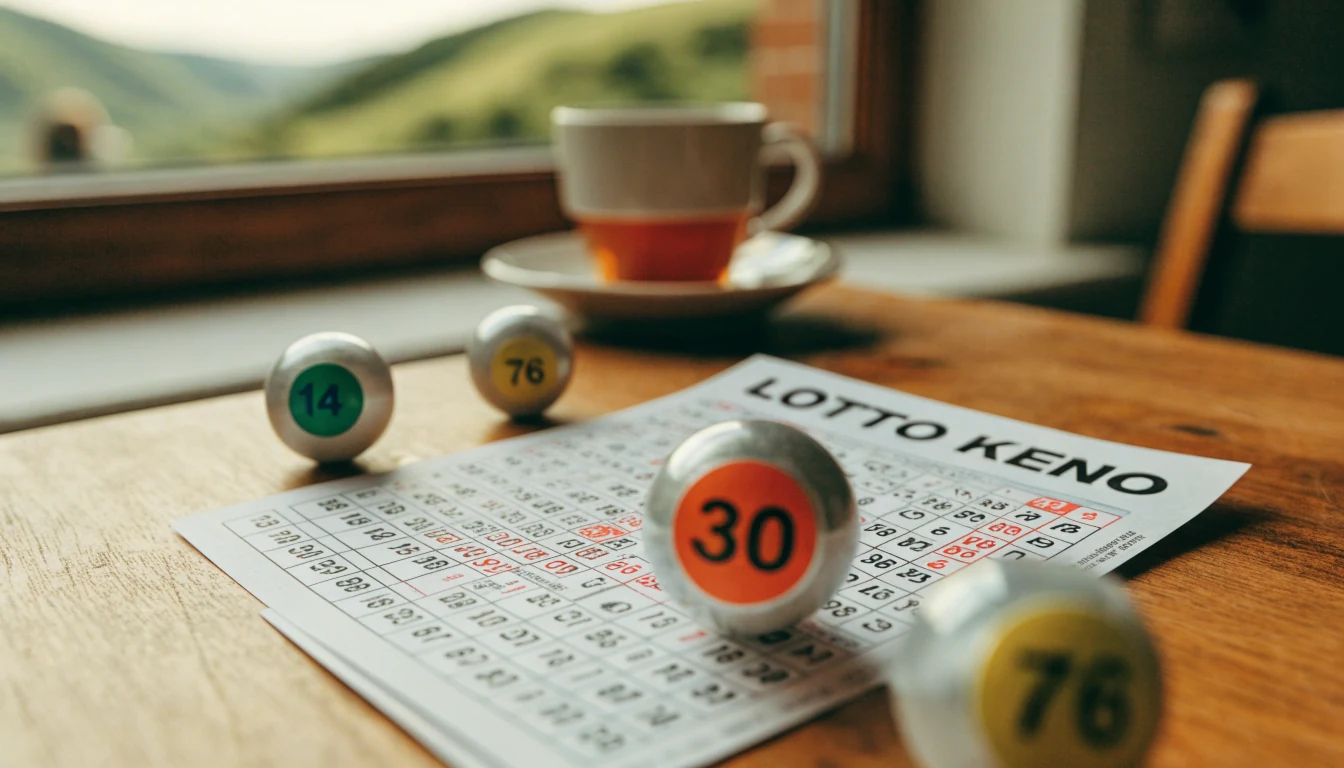
Red and black divide the numbered pockets by colour. Odd and even divide them by number parity, while low and high refer to the lower and upper portions of the number range. The zero pocket sits outside those paired categories. This is why an even-money roulette bet can look like a simple choice between two sides while still having an additional outcome that does not belong to either side.
Columns and dozens are also outside bets, but they are not even-money bets. A column groups numbers by their position in a vertical column on the layout. A dozen groups them into one of three consecutive ranges. Both select a narrower set of numbers than red/black or odd/even, and zero is not part of a column or dozen. These wagers are useful to distinguish by what they cover, rather than treating every bet placed outside the central number area as the same kind.
When you see these options in live roulette played for real money, check the table layout and the wording of the bet before placing it. The colour, parity and range labels identify the selection, while columns and dozens refer to different groupings. Knowing which pockets belong to a choice helps you read the wager accurately; the name alone does not remove the wheel’s zero outcome.
On French and European wheels, the house edge is 2.70%. That figure applies to the game, not just to one red/black or odd/even selection. The bet’s broad coverage can make it seem more straightforward than a wager on a single number, but it does not change the basic role of the wheel’s pockets. Distinguish the bet categories first: even-money choices cover one side of a paired category, while columns and dozens cover defined groups of numbers.
What Free Roulette Can—and Cannot—Tell You
Free roulette lets you explore the game without staking money. It can help you become familiar with how a roulette table is presented, follow the sequence of play and see how different choices affect the displayed result. That practice may make the interface less unfamiliar if you later decide to play for real money.
Attention A successful free-play session does not guarantee similar results in real-money play, nor does it predict future outcomes.
Treat it as a way to learn, not as evidence that you have found a reliable way to win. A run of free results cannot predict what will happen in a later session. Roulette outcomes do not become more favourable because you have practised, and a successful free-play session does not show that you can expect the same result when money is involved.
Free play also does not itself provide cash. A game that can be tried without a stake is separate from real-money wagering, and playing it does not guarantee a cash reward or a reward that can be withdrawn without meeting conditions. Do not assume that a free game includes a no-wager prize; check the terms of any separate offer before treating it as money you can use.
Use free play to notice whether you understand what is on the screen and how to make a selection. If the game’s rules or presentation are unclear, pause rather than treating a result as a reason to stake money. The point is to become more familiar with the experience, not to test a system that promises to beat the wheel.
Keep the distinction clear: free roulette is available, but it is not the same as a real-money session. What it can show you is how the version you are using works in practice. What it cannot show you is what your future results will be, whether you will make money, or whether any reward will be available without conditions.
Check Age and Identity Requirements Before Using an App
Before using a mobile app to play roulette, check whether you meet the site’s entry requirements. On a licensed online casino site in New Zealand, you must be at least 18 and prove both your age and your identity through a know-your-customer process, commonly called KYC. Installing an app or opening an account does not replace those checks.

This matters even if you intend to play only occasionally. The verification requirement applies to access to a licensed site, not just to people who expect to stake large amounts or use a particular roulette table. If you are under 18, you cannot use a licensed site for real-money play. If you are 18 or older, you should still expect to establish who you are and confirm your age before playing.
A mobile route can make it easy to move from browsing to signing in, so take a moment to read the site’s account and verification information before proceeding. Look for a clear explanation of when identity checks are required and how the site handles them. Do not assume that an app’s presence on your phone means you have completed KYC, or that the same checks apply identically across every service.
If you are asked to verify your details, use the process provided by the site rather than trying to bypass it or entering information that does not match your identity. A mismatch or an unfinished check may prevent access to the account or play. The key point is simple: licensed-site access is conditional on proving that you are old enough and that you are the person registering.
Searches for a real-money roulette app can make the download seem like the main decision. In practice, age and identity eligibility come first. Read the requirements before creating an account, and do not treat a mobile interface as a shortcut around them.
Can a Roulette Bet Double Your Money?
A winning roulette wager can increase your balance, but that is not the same as having a reliable way to double all the money you brought to the table. The result depends on which bet wins, how much you stake and what happens to your other wagers. A single successful spin cannot make the outcome of later spins certain.

On an outside bet such as red or black, odd or even, or high or low, a win is commonly associated with a return matching the stake. That describes the result of a particular winning wager; it does not mean your total balance will double. A loss can reduce it, and a bet on a column or dozen has a different payout structure. The wager type matters, but none removes the wheel’s built-in advantage for the house.
The zero pocket is important when considering outside bets. French and European roulette each have 37 pockets, numbered from 0 to 36, and each has a house edge of 2.70%. A wager on red, for instance, does not cover zero. American roulette has a higher house edge of 5.26%. These figures describe the game’s mathematical balance over repeated play, not a prediction of what any one spin will do.
It can be tempting to increase a stake after a loss, or to treat a previous win as proof that another is due. Neither changes the pockets on the wheel or guarantees a favourable result. Raising a wager may make a subsequent win larger, but it can also make the amount lost on a miss larger. A strategy built around recovering losses therefore cannot turn a possible short-term doubling into a dependable outcome.
Before staking money, distinguish the advertised or displayed return on a winning bet from the change in your overall balance. If you have placed several wagers, a win on one may not offset losses on others. Roulette can produce a short run in which your funds rise, but no bet category guarantees that your starting balance will double.
What to Know Before You Risk Money on Roulette
Before you stake money on roulette, distinguish your own legal position from the protections available if something goes wrong. Under the Gambling Act 2003, operators based in New Zealand could not run online casinos. Kiwi punters, however, were not breaking the law simply by playing on an offshore site. That did not mean an offshore casino was supervised locally or that you had a clear route to resolve a dispute.
The practical gap mattered when a site failed to honour its own arrangements. If a withdrawal was frozen or a request to apply limits was ignored, there was no local authority for you to turn to for help. A payment dispute or a complaint about account handling could therefore leave you dealing with the site directly, without domestic government recourse.
That distinction is worth keeping in mind when considering real-money roulette. Being allowed to access an offshore service did not make the service locally licensed, and it did not guarantee that a complaint would be resolved in your favour. A site’s own terms and customer-support process might explain how it says it handles withdrawals or limits, but those details are not the same as local oversight.
Before depositing, pause over what would happen if you could not withdraw funds or if the site did not follow a limit you had set. Consider whether you are comfortable with the possibility of having no local avenue for redress. If that uncertainty is not acceptable to you, do not treat a legal ability to play as proof that the financial risk is protected.
This is not a reason to assume every offshore site will mishandle an account. It is a reason to separate the chance of a roulette result from the separate risk of dealing with a service outside New Zealand’s former domestic oversight. A winning spin cannot settle a withdrawal dispute; only the site’s handling of the account determines what happens next.
Prepared by the Casino Insider NZ editorial staff.