Slot Strategies for New Zealanders: What to Know
 Available in US
A practical slot plan can define how much time and money to risk, but it cannot change or forecast the outcome of a spin.
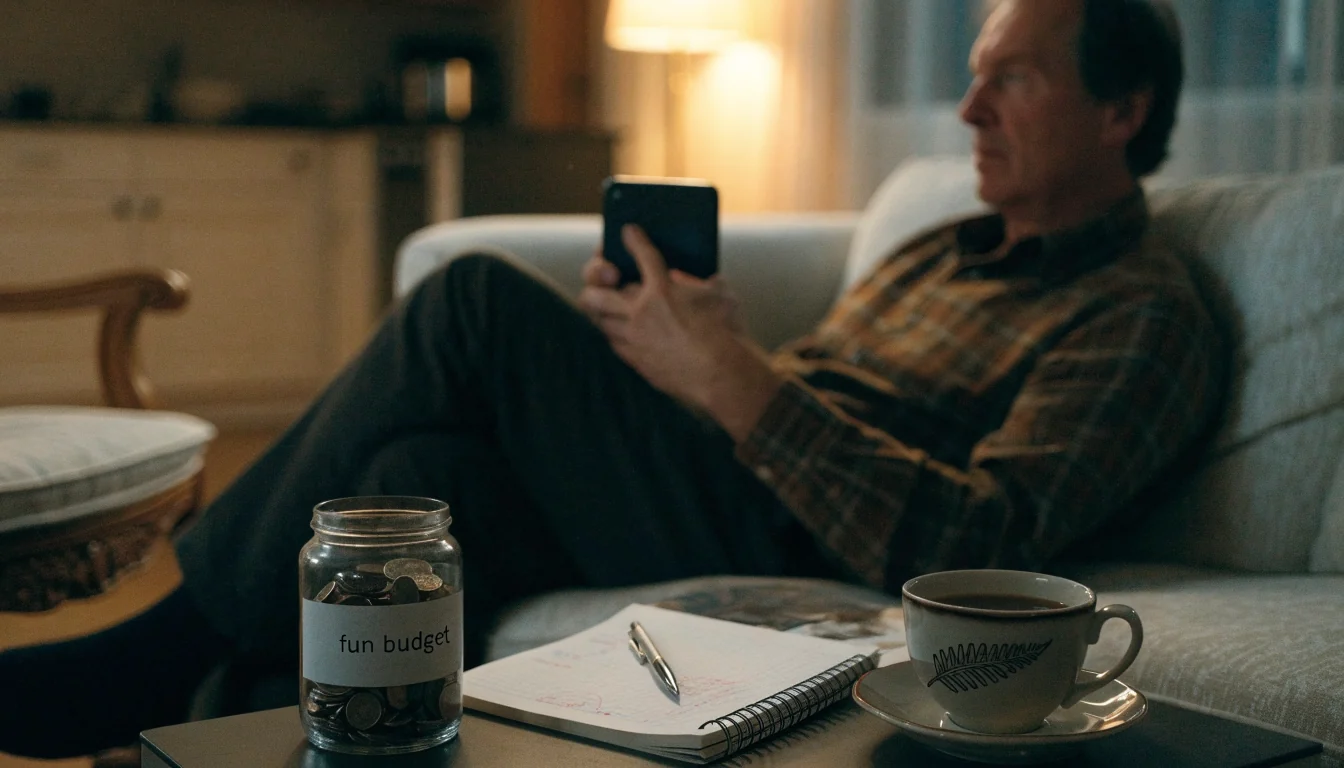
Table of Contents
- What a Slot Strategy Can—and Cannot—Change
- Choosing a Slot Machine Without Chasing a “Best” System
- Online Slots: Keep Your Plan Separate from the Game
- A Practical Routine for Playing Slots
- Slots Strategy in 2026: A Careful Approach for New Zealand Readers
- Casino Slot Play: Set Limits Before You Start
- How to Set a Slot Betting Limit
- Why Slot Play Is Not an Advantage Strategy
- Is There a Strategy to Slots?
- The Basics to Learn Before You Play
What a Slot Strategy Can—and Cannot—Change
A slot strategy is useful when it helps you decide how much of your time and money you are willing to put at risk. It cannot turn that decision into a reliable way to predict a result. Keeping those two ideas separate makes it easier to judge what a plan is for—and what it cannot do.
You can choose whether to play, what amount to set aside, and when to stop. You can also decide in advance what you will do if you reach either your spending limit or your planned end time. These choices affect your exposure: they define how long you remain in play and how much you are prepared to lose. They do not promise a particular return.
That distinction can feel less clear while you are playing. A win may encourage you to continue, while a losing run may make another spin feel like a way to recover what has gone. Neither reaction changes what a strategy can guarantee. Deciding to continue, pause or leave is within your control; deciding what the next result will be is not.
It is also worth being precise about what a gambling cost measure means. The house edge applies to the total amount wagered over play, not simply to the money you brought with you at the start. A bankroll is a spending boundary, not a measure of the amount wagered. If you continue playing, the same starting money may be wagered repeatedly, so the two figures should not be treated as interchangeable.
This is one reason a strategy should not be judged by whether it produces a winning session. A plan can be followed carefully and still end with a loss; a session that ends ahead does not prove that the plan can reliably reproduce that result. Short-term outcomes can be memorable, but they do not turn a personal rule into a method for controlling future results.
A useful plan is modest about its purpose. It can help you avoid making decisions in the moment that you would not have chosen beforehand. It can give you a clear point at which to stop, rather than leaving that choice to the mood of the session. It can also help you recognise when you are no longer comfortable with the amount of time or money involved. Those are meaningful safeguards, even though they do not improve the certainty of a result.
Avoid treating a change in the size or timing of your play as a way to make a previous loss disappear. Money already spent is not a reason to put more at risk. If you notice that you are trying to win it back, or that stopping feels difficult, the safer decision is to step away rather than revise your plan under pressure.
The plainest test for any slot strategy is whether it helps you keep a boundary you chose while you were calm. If it claims to make outcomes predictable or to ensure a winning session, it promises more than a plan can deliver. A sound approach manages decisions you can make; it does not pretend to control results you cannot.
Choosing a Slot Machine Without Chasing a “Best” System
When you choose a slot machine, it is easy to look for a feature that appears to offer an edge: a particular theme, a prominent jackpot, a high-limit label or a betting pattern someone describes as the best strategy. None of those details, by itself, establishes that you can influence the result. Treat machine choice as a decision about what you are comfortable playing, not a way to make a win more likely.
Start with the information the machine provides. If you cannot find or understand the rules, paytable or feature descriptions, you do not have to play that game. Take time to work out what a spin costs at the selected setting and what the displayed symbols and features mean. If the information is unclear, choosing another machine—or not playing—is a reasonable decision. Avoid filling gaps with assumptions based on the machine’s appearance or what another player says.
A familiar game can feel easier to follow than one with unfamiliar features, but familiarity is not evidence of better results. Nor does a machine that has been quiet appear to owe you a win. Recent outcomes do not provide a reliable reason to expect a different result next. A sequence of losses is not a signal to increase the wager, and a run of wins does not establish that the next spin will also pay.
Attention: A sequence of losses is not a signal to increase your wager, and a run of wins does not establish that the next spin will also pay.
Look past labels and appearances
A “best” slot system often promises more certainty than it can deliver. Advice to choose a particular type of machine, wait for a certain moment or follow a repeated pattern should be treated cautiously unless it explains what the method can actually change. A betting pattern may alter how much you put at risk, but it cannot turn an uncertain outcome into a guaranteed one. Do not let confident language substitute for evidence.
The same caution applies to a progressive game. A visible jackpot can draw attention, but its size does not show that a particular player is more likely to win it or that the machine is a better choice for them. Consider whether the game and its wager fit your own boundaries, rather than making a decision because the displayed prize feels urgent or unusually tempting. A large potential prize is not a reason to keep playing after you would otherwise stop.
High-limit machines deserve the same scrutiny. The label is not proof of better odds or a sounder strategy. If the required wager would expose you to more money than you intended to risk, move on. Do not raise your spend simply to qualify for a feature or to make a session feel more worthwhile. The name of a machine or its position in the casino cannot establish that it is due to pay.
You may also encounter advice framed around a particular wager, such as a “$1 slot machine strategy” or a “5 slot machine strategy.” A number attached to a method does not make it a system for changing outcomes. Do not treat a suggested wager as a target, and do not assume that copying another person’s pattern will reproduce their results. Your choice should remain tied to what you decided you could afford to lose, not to a formula presented as a shortcut.
Choose for clarity, not a promised edge
Before sitting down, ask yourself whether you understand how the game works and whether you are comfortable with the cost of playing it. If the answer is no, choose another machine or leave. That is a practical way to avoid making a rushed choice; it is not a technique for improving the odds.
Once you have chosen, do not keep switching machines in search of one that seems more promising. Moving because you prefer another game is different from believing that a machine’s recent history predicts its next result. The latter can encourage you to keep spending while searching for a signal that is not established by what you can observe.
A sensible slot machine strategy is therefore modest: make an informed choice from the information available, decline games you do not understand, and ignore claims that a machine or pattern guarantees a better outcome. The machine you choose may affect which game you experience, but choosing carefully does not give you control over the result.
Online Slots: Keep Your Plan Separate from the Game
Online play can make it easy to keep a game open while you do other things. That convenience can also blur the boundary between a planned session and continued play. A useful online slot strategy therefore begins outside the game: decide what you can afford to lose and how long you intend to play before opening a slot.
A useful online slot strategy begins outside the game by deciding on a budget and a time limit before opening the slot.
Treat those decisions as limits, not targets. A budget is the maximum amount you are prepared to spend, not an amount you need to use up. A time limit is a point at which you stop, even if you are enjoying the game or hoping for a different result. Neither limit predicts what will happen in a session; both help keep the decision to play within boundaries you chose in advance.
Make the plan away from the game
Choose your budget and time limit before you sign in or start a game. It is harder to make a calm decision once you are already playing, particularly if you feel disappointed by a result or want to continue for longer. Keep the figures you choose realistic for your circumstances, and use only money you can afford to lose.
If you cannot settle on a budget without relying on money needed for essentials, do not start. The same applies if you are unsure whether you can stop at the time you set. Taking a break is a valid choice; you do not need to turn uncertainty into a session.
A written note can make your plan easier to remember. It need not be complicated: record the amount you have set aside and the point when you intend to stop. The purpose is to preserve your decision, not to create a system for predicting results. A note also gives you something to refer to if the game begins to occupy more attention than you intended.

Do not let the screen reset your decision
An online game may remain accessible after you have reached your planned stopping point. That does not mean you need to continue. Close the game and sign out if doing so helps create a clear break. Avoid treating a new login or a fresh game as a reason to start another session when your original plan was to stop.
It can also help to reduce interruptions while you play. Silence notifications that might pull you back to the game, and avoid playing while trying to complete another task. These are practical ways to keep attention on the choice you are making. They do not change the game or make a result more likely; they simply make it easier to notice when your time is up.
Do not increase your budget because a session has gone badly, or extend your time because you feel a result is due. A loss does not create a reason to recover money through more play, and a win does not require you to keep going. Either situation can make it tempting to revise the limits you set when you were away from the game. Keeping the plan separate means allowing those limits to stand.
Use limits as boundaries, not as a winning method
People looking for the best online slot strategy may hope for a method that improves the chance of winning. A budget and a timer cannot do that. They are safeguards for how much of your money and attention you put into play, not a way to control the outcome.
If it becomes difficult to keep to your own limits, seek support rather than relying on a new slot betting strategy to solve the problem.
Be wary of advice that presents continued play, a particular sequence, or a change in approach as a reliable route to a win. A confident explanation does not turn a prediction into a certainty. If you find yourself changing plans in response to recent results, pause rather than trying to devise a more elaborate system. The central online slot tip is not to let the game set the terms for how long you stay or how much you spend.
If you do not stop when you intended to, take that seriously without blaming yourself. Step away from the game and consider whether playing is still comfortable and manageable. If it is becoming difficult to keep to your own limits, seek support rather than relying on a new slot betting strategy to solve the problem. A plan only helps when you can act on it; when that becomes difficult, the safer choice is to stop and get help.
Online access can make returning to a game feel effortless, but ease of access is not a reason to continue. Keep your budget and time decision outside the game, and let that decision—not the last result or the prospect of another one—determine when play ends.
A Practical Routine for Playing Slots
A useful routine does not try to predict what a slot will do. It gives you clear decisions to follow before play begins and when you are tempted to change your plan. Treat it as a way to manage your choices, not as a method for producing a win.
Before you start
Decide whether playing fits your circumstances today. Use only money you can afford to lose, and do not use money set aside for bills, essentials or other commitments. If you are already upset, under pressure, or hoping a session will solve a money problem, postpone playing. Those are poor conditions for sticking to a plan.

Set a total spending limit and a time limit while you are still away from the game. Choose limits that you can accept losing or reaching, rather than setting them according to a hoped-for result. Keep the two limits separate: reaching either one is a reason to stop. Do not treat unused time as permission to spend more, or unused money as a reason to keep playing longer.
Make the stopping point concrete. Decide in advance what you will do when it arrives: close the game, leave the playing area, or move on to another planned activity. If you are playing with other people, let them know you are stopping rather than continuing because they are still there.
While you play
Keep track of how much of your budget has been used and how much time has passed. Use a clock or another reminder if you are likely to lose track. Check in with yourself as you go: are you still comfortable with the amount spent, and are you still choosing to play freely? If the answer is no, stop rather than waiting for the next spin to change how you feel.
Do not revise your limit because of what has just happened. A run of wins does not require you to continue, and a loss is not a reason to add money or extend the session. Avoid borrowing, using credit to keep playing, or moving funds from money intended for another purpose. These choices can turn a planned session into spending you did not agree to beforehand.
- Use only money you can afford to lose
- Set a total spending and time limit
- End the session promptly when limits are reached
- Use money set aside for bills or essentials
- Revise limits based on recent wins or losses
- Borrow or use credit to keep playing
If you reach your budget or time limit, end the session promptly. Do not make the stopping point conditional on one more spin, a particular result, or getting back to where you started. If you find it hard to leave, step away from the game and contact someone you trust. A limit is useful only when it remains in place at the moment you most want to change it.
After you stop
Take a moment to note whether you followed the plan, without judging yourself by whether the session ended in a win or a loss. The result cannot tell you that the routine worked or failed; the relevant question is whether you kept to the decisions you made beforehand. If you repeatedly exceed your limits, take a break from gambling and seek support rather than setting a larger limit for the next session.
This is a practical approach to playing slots, not a winning system. A slot wagering plan can help define when you stop, but it cannot make a particular outcome more likely or guarantee that you leave ahead.
Slots Strategy in 2026: A Careful Approach for New Zealand Readers
When considering slots strategies in New Zealand for 2026, it helps to assess the operator details relevant to your own priorities. Use these notes as a starting point when deciding what to check before you play.
License: Malta Gaming Authority, licence no. MGA/B2C/370/2017 You can note Play Grand’s listed Malta Gaming Authority licence, number MGA/B2C/370/2017, when reviewing its credentials.
Payout speed: 1-3 business days Lamabet lists payouts as taking 1–3 business days, a detail you can consider when planning withdrawals.
License: Tobique Gaming Commission, licence no. 0000064 Neospin lists a Tobique Gaming Commission licence, number 0000064, for you to consider when reviewing its credentials.
License: Tobique Gaming Commission, licence no. 0000002 Ricky Casino lists a Tobique Gaming Commission licence, number 0000002, as a credential you can take into account.
License: 07017519840 · Payout speed: 1-3 business days Zotabet lists the identifier 07017519840 and payout speed of 1–3 business days. You can consider the payout timeframe when planning withdrawals.
Payout speed: 1-3 business days Wintino lists payouts as taking 1–3 business days, which you can factor into your withdrawal planning.
License: Curaçao Gaming Authority, licence no. OGL/2024/165/0185 BitStarz lists a Curaçao Gaming Authority licence, number OGL/2024/165/0185, for you to consider when checking its credentials.
License: Tobique Gaming Commission, licence no. 0000091 7Bit Casino lists a Tobique Gaming Commission licence, number 0000091, as a credential you can review.
License: Malta Gaming Authority, licence no. MGA/B2C/394/2017 N1 Casino lists a Malta Gaming Authority licence, number MGA/B2C/394/2017, for you to consider when reviewing its credentials.
For New Zealand readers, a careful approach to slots in 2026 starts with separating two questions: how you manage your play, and what the law permits. A personal plan can help you decide when to stop, but it cannot make a slot outcome predictable. There is no betting pattern that turns a session into a reliable source of income. Only play with money you can afford to lose, and set a budget and a time limit before you begin.
The legal position for online casinos is also changing. The Online Casino Gambling Act 2026 came into force on 1 May 2026, creating New Zealand’s first domestic licensing framework for online casino gambling. The transition is not the same as a fully operating licensed market: online casinos that were already serving people in New Zealand before that date may continue until 1 December 2026 under transitional provisions. The full licensing regime is expected to be operational in 2027, while unlicensed operation is expected to become an offence around mid-2027.
That timeline matters when you assess information about online play. Before the new Act, offshore online casino gambling was not licensed or supervised by a New Zealand regulator, and customers had no domestic government recourse if a dispute arose. New Zealand law does not permit online casinos to be based domestically. The transitional arrangements allow certain existing providers to continue for a limited period; they should not be confused with a fully established licensing system.
Check the current local laws before deciding whether to gamble online, and do not assume that a website’s availability means it is covered by New Zealand oversight. Avoid treating a promotion, a confident strategy article or a familiar brand as proof of the protections that apply to your play.
If you are looking for the best strategy for slots, keep the goal modest and clear: make decisions about your own limits, not about controlling the game. Decide in advance what you are prepared to spend and when you will stop, then leave the session when either boundary is reached. Do not increase your spending to recover losses or let a run of results persuade you that a win is due. These choices cannot guarantee a winning session, but they can help prevent a gambling decision from expanding beyond the plan you made.
Casino Slot Play: Set Limits Before You Start
A casino floor can make it easy to lose track of how long you have been playing or how much you have spent. A clear casino slot strategy starts before you sit down: decide what you can afford to lose and how long you intend to stay. Treat these as firm boundaries, not targets you can revise after a run of losses or wins.
Use money set aside for entertainment, not funds needed for bills, food, rent or other commitments. Once you have chosen your budget, avoid adding to it during the visit. Taking more cash from an ATM or returning to the cashier can turn a planned outing into a larger expense. If you are unsure whether another deposit fits your budget, stop rather than making the decision while playing.
Set a time limit as well. Choose a clear stopping point before you begin, and use an alarm or another reminder if that helps you notice when it arrives. A break can make it easier to check the time and your remaining budget, but it should not become a reason to extend the session automatically. When your planned time is over, leave the machine.
Do not treat a casino slot strategy as a way to recover money already lost. A machine’s next result is not made more favourable by a previous loss, and increasing your spending to get back to even can push you beyond the amount you meant to risk. The same applies after a win: a larger balance is not a reason to keep playing until it is gone. You can stop with money left, or leave after a loss without trying to repair the outcome.
Make the limit practical for the casino setting. Decide in advance how you will carry or access only the money allocated for play, and avoid keeping a reserve for extending the session. If you are visiting with someone, tell them your planned departure time or ask them to help you stick to it. A companion cannot control your choices, but a shared plan may make it easier to leave when you intended.
Keep the purpose modest: you are paying for entertainment, and the session may end without a win. No strategy can guarantee a winning session or change that uncertainty. If you find yourself ignoring your limits, borrowing money, or feeling unable to leave, stop playing and seek support. New Zealand’s Gambling Helpline and the Problem Gambling Foundation offer help for people affected by gambling.
How to Set a Slot Betting Limit
A betting limit is the amount you are prepared to put at risk across a session. Set that budget first, then choose a stake that fits within it. The stake does not make a slot more predictable; it determines how quickly your planned budget may be used.
Before playing, decide what portion of your budget each wager can represent. A smaller, consistent stake can help you avoid spending the whole budget in a short burst, but it cannot ensure a longer session or a return. Keep the total budget fixed: a win does not automatically justify raising your stake, and a loss is not a reason to increase it.
Flat betting
Keeping the same stake from one play to the next to make spending easier to follow, without attempting to change the outcome of the spin.
Flat betting means keeping the same stake from one play to the next. It can make your spending easier to follow, because the amount at risk per wager stays steady. It does not change the outcome of a spin or turn previous results into a guide to what comes next. Avoid systems that tell you to raise or lower stakes in response to wins and losses as though a pattern could recover money or secure a profit.
For an online slot betting plan, make the stake decision before opening the game. Check the amount shown for each play and any available settings that control the wager; do not assume a setting has changed until you have confirmed it on screen. If the available stake feels too large for the budget you set, choose another option or stop rather than stretching the budget to fit the game.
Leave room in your plan for the possibility that the budget is spent without a payout. A stake is not a deposit you can expect to recover, and a sequence of losing spins does not make the next one more likely to return your money. Do not add funds or raise the stake to chase losses. If you find yourself wanting to break the limit, end the session.
A useful check is to ask whether you would still be comfortable with the stake if the play produced no return. If not, it is too high for your circumstances. Only use money you can afford to lose, and keep gambling separate from money needed for regular expenses. Setting a betting limit is a way to manage exposure, not a way to improve the slot’s odds or guarantee a winning session.
Why Slot Play Is Not an Advantage Strategy
“Advantage play” suggests that a player can use a method to improve the mathematical position of a game. The label should not be treated as proof that a particular approach changes the prospects of slot play. A plan for when to stop or how much to spend can shape your decisions, but calling it an advantage strategy does not establish an edge over the game.
The comparison with other casino games needs care. Blackjack and video poker can have the smallest house edges when they are played with optimal strategy. That statement describes those games under the relevant conditions; it does not show that an equivalent method exists for slots, or that a slot strategy can produce the same kind of result.
This distinction matters when advice uses confident terms such as “system”, “edge” or “advantage”. Ask what the claimed advantage is based on and whether it applies to the game you are considering. A detailed-looking betting pattern or a memorable run of results is not, by itself, evidence that a player has changed the underlying odds. Nor does a method become reliable simply because it is presented as a strategy.
For slot play, it is safer to reserve “advantage” for a claim that can be clearly supported, rather than using it to describe any organised way of playing. Setting boundaries may help you keep control of your own choices, but that is different from gaining a mathematical advantage. Do not treat the two as interchangeable when deciding whether to play.
While blackjack and video poker can have the smallest house edges when played with optimal strategy, no equivalent method exists to gain a mathematical advantage in slots.
If a guide promises an edge, look for a clear explanation of what produces it and whether that explanation is specific to slots. Without that distinction, “advantage slot play strategy” can sound more certain than the claim warrants. You can assess a strategy’s usefulness by what it actually helps you manage, without assuming it improves the game’s outcome.
Is There a Strategy to Slots?
There is a strategy for deciding how you want to play, but no dependable system for turning slot play into a guaranteed win. A pattern of button presses, a particular sequence of bets or switching games after a loss cannot promise a different result. Treating any of these as a way to control outcomes can make it easier to keep playing on the strength of hope rather than a clear decision.
That distinction matters. A personal plan can shape your choices; it cannot ensure what a slot will pay. You might decide in advance what you are willing to spend or when you will stop, then follow that decision regardless of whether the session starts well or badly. Those boundaries can limit how much time and money you expose to play. They are not a method for improving the result of a spin.
Be wary of advice that presents a winning sequence as a secret others have overlooked. Claims about recovering losses by changing bet size, waiting for a machine to “come due”, or following a supposed hot or cold streak should not be treated as reliable ways to alter what happens next. A previous result is not a promise about a future one, and a system name does not make a losing run recoverable.
It can help to ask what a strategy is meant to achieve. If it helps you make a considered choice about whether to play and when to stop, it may serve as a personal boundary. If it claims to predict payouts or guarantee profit, that is a different claim—and one you should not rely on when deciding how much to risk.
So, yes, you can approach slots with a plan. The sound plan is about your own decisions, not a formula for beating the game. Keep those ideas separate: limits may help contain your exposure, while no betting pattern should be mistaken for a promise of a winning session.
The Basics to Learn Before You Play
Before looking for a way to play slots, it helps to understand the house edge. It describes the mathematical advantage built into a game in the casino’s favour. It is a long-run measure, not a forecast of what will happen during your next session. A player can finish ahead or behind; the house edge does not determine the result of an individual play.
One detail is easy to miss: the house edge applies to the total amount wagered, not simply to the money you brought with you. Your starting bankroll is the amount available at the outset. Total wagering counts the stakes placed as play continues. If you use returned funds to place further bets, those later stakes add to the total wagered too.
That distinction matters because a bankroll alone does not describe how much betting has taken place. Two people could start with the same amount but wager different totals as their sessions unfold. The house edge is relevant to that overall wagering, not a promise that a particular share of the starting funds will be lost.
This concept also should not be mistaken for a prediction about a specific spin. It does not tell you whether the next result will be a win, how long a session will last, or what your balance will be when you stop. It describes the game’s mathematical structure across play, while individual results can vary.
Learning this basic term can help you read explanations of casino games more carefully. A percentage attached to a game, where one is provided, needs context: it is not a personal loss estimate based solely on your initial bankroll. Nor does knowing the house edge turn slots into a game where a betting pattern can control the outcome. It is background for understanding the wager, not a system for predicting results.
Does basic strategy work online?
Yes. The same basic strategy chart can be used for online, live-dealer and land-based blackjack, provided it matches the game’s rules.
How do you play online Blackjack?
Use a basic strategy chart matched to the game’s rules to decide whether to hit, stand, double or split based on your hand and the dealer’s up-card. The dealer must hit on 16 or lower and stand on 17 or higher.
How do blackjack house rules affect expected value?
Rules can change the house edge: a 6:5 blackjack payout adds about 1.4%, and a dealer hitting soft 17 increases it by about 0.2%. Basic strategy recommendations also vary with rules such as soft-17 play and whether surrender is allowed.
When can you split in blackjack?
You can split a pair dealt as your initial two-card hand by placing a second bet equal to your original wager. Basic strategy generally recommends splitting aces against any up-card in American-style games with hole cards, but not in European-style games with no hole cards.
Can you split more than once?
Yes, where the table rules allow resplitting; many games permit up to three or four hands total. Rules may be more restrictive for aces, and some tables prohibit resplitting them.
Can you double down after splitting?
Yes, if the game allows doubling after splitting; basic strategy charts commonly assume this rule.
Prepared by the Casino Insider NZ editorial staff.